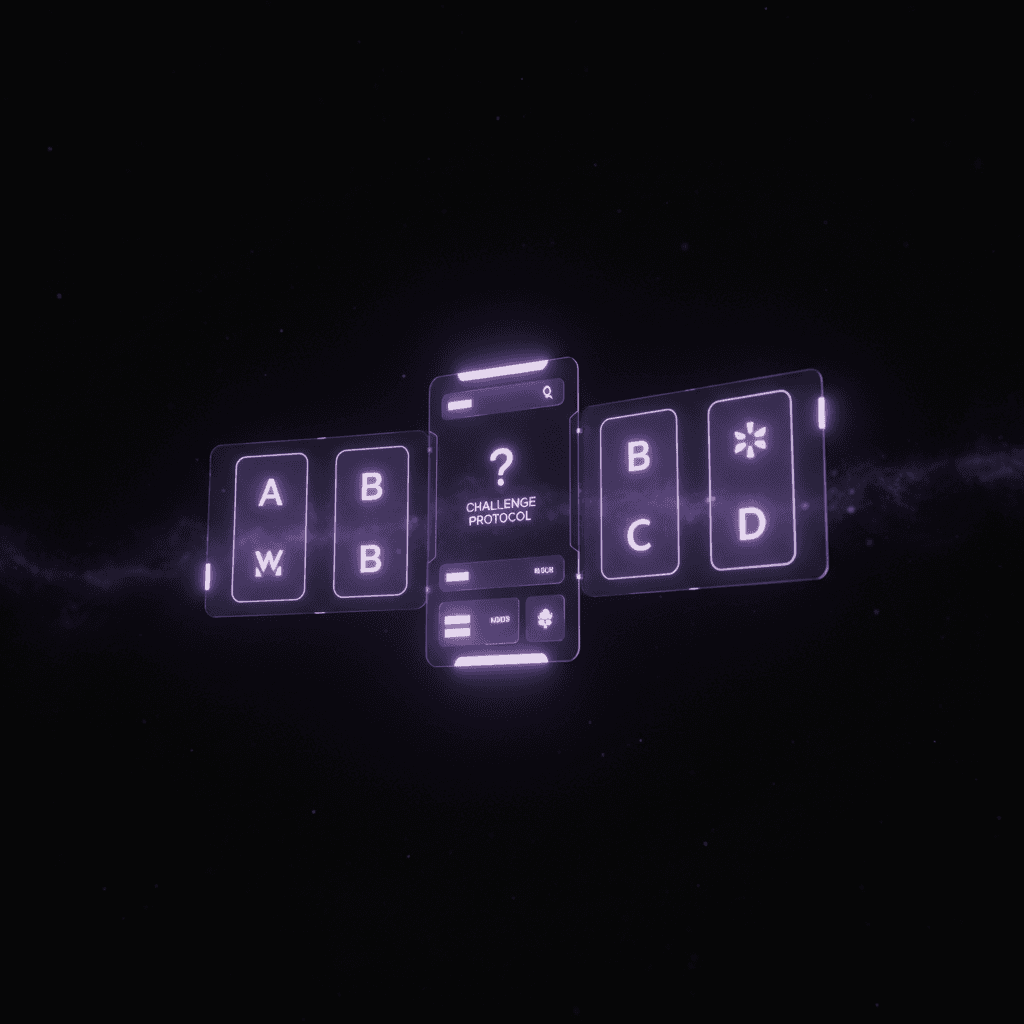
Most capture pages ask a stranger for an email while offering nothing in return before the click. The result: 2 to 5% conversion on average, often less. An interactive quiz flips the logic entirely: it gives first (a diagnosis, a recommendation, a personalized result), and asks for the email afterward. That reversal is what drives the conversion rate up.
This article is not a list of promises. It breaks down the exact psychological mechanisms that make a quiz work, the numbers observed in the field, and a 7-step method to build yours — even without technical skills.
Why quizzes convert so well
Three psychological drivers combine inside a quiz, where a classic landing page activates none of them.
1. Progressive commitment (consistency effect)
Once a visitor answers the first question, they have made a micro-commitment. The brain strives to stay consistent with its past actions: each answer makes the next one more likely, and the final email is just one more step in a sequence already underway. This is the “foot in the door” principle documented by Cialdini: a small yes leads to a bigger one.
2. Curiosity about the result (Zeigarnik effect)
Announcing a personalized result at the start of the quiz opens a loop. The brain dislikes a task that is started but unfinished — that is the Zeigarnik effect. The visitor wants to know their score, their profile, their recommendation: they finish to close the loop, and the email is the price of admission to the result.
3. Perceived personalization
A quiz makes the visitor feel heard. Each question shows you care about their specific situation, not an anonymous segment. That sense of relevance is the fuel of engagement — and that is where personalization features make the difference: the more the quiz feels built for this person, the further they go.
The numbers: what a quiz really changes
The orders of magnitude, observed across hundreds of quiz funnels, are decisive against a static form:
- Email capture rate: 30 to 50% on a well-designed quiz, versus 2 to 5% on an average landing page.
- Lead quality: a lead from a quiz arrives segmented (you already know their answers), so it is easier to turn into a customer.
- Time spent: 2 to 4 minutes on average, versus a few seconds on a cold page — that many more signals of engagement and intent.
- Data collected: a quiz replaces ten form fields with a conversation, with no perceived friction.
“We collected 40 leads a month with our old form. The quiz brings us over 300, and they are already qualified by their answers.”
To estimate the impact on your business with your own volumes, the ROI calculator projects the number of extra leads and sales based on your traffic and average order value.
The 7 steps to build a quiz that converts
A high-performing quiz is not improvised. Here is the method, in order.
- 01Define the result promise — “Discover your X profile,” “Which Y is best for you.” The promise has to be worth the effort of the questions.
- 02Keep it to 5–8 questions — enough to segment and personalize, not enough to tire. Past 10, drop-off climbs.
- 03Nail the first question — easy, no commitment, ideally a single thing to click. It is what triggers the micro-commitment.
- 04Show a progress bar — seeing progress closes the open loop and reduces mid-quiz abandonment.
- 05Ask for the email BEFORE the result — at the moment curiosity peaks. That is the intent spike: the email is given almost without hesitation.
- 06Deliver a truly personalized result — one that echoes the answers given. A generic result breaks the promise and kills trust.
- 07Follow with a clear action — book a call, see an offer, download a guide. The result is not an end, it is the start of conversion.
The mistake that sinks most quizzes
The most common trap: a generic result. The visitor answers eight questions about their situation, then gets a block of text that could show up for anyone. The momentum drops at once, and with it the trust that was built.
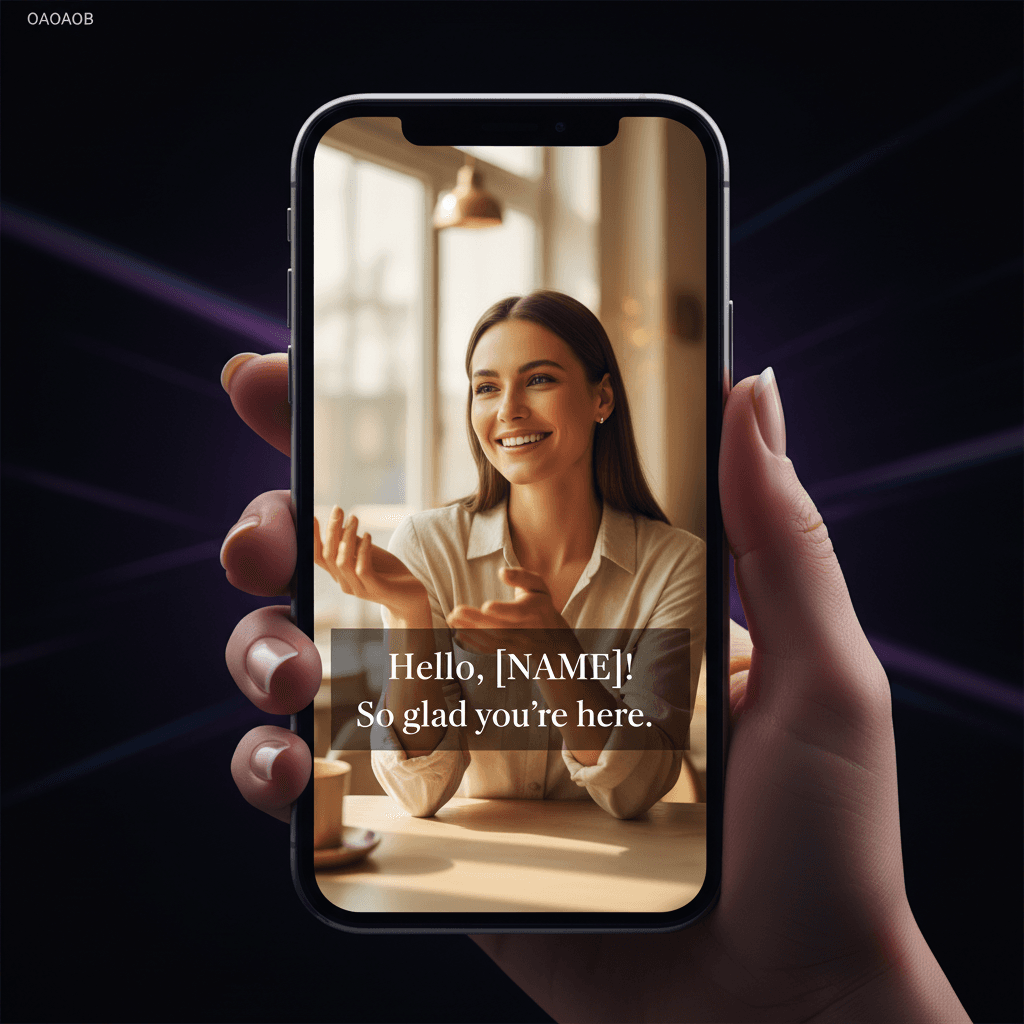
This is exactly where Quiz Funnel goes further than the rest: the quiz can end with a video that addresses the visitor by their first name and quotes their answers. The visitor has proof they were heard — emotion replaces the impersonal block of text, and booked-call rates take off. It is the core differentiator, explained in detail in how Quiz Funnel works.
Where to start
You do not need to rethink everything. Start by replacing your most-visited capture form with a 6-question quiz, with email capture before the result. Measure the conversion rate over two weeks, compare. In the vast majority of cases, the gap is visible within the first few days.
Then add personalization: a result that echoes the answers, then the video that says the first name. Each layer of personalization adds conversion points. The different plans let you start simple and scale up once the results are in.
Launch your first quiz that converts
Build a personalized interactive quiz in minutes, without a single line of code.
Start for freeWritten by
Quiz Funnel
Équipe éditoriale